• A paper published earlier this month in Nature Medicine by Jake Estes and colleagues addresses the difficult challenge of attempting to define the distribution and total size of the persistent HIV reservoir. The researchers employed a variety of tests to measure viral RNA and DNA—including new imaging techniques they have developed named RNAscope and DNAscope—in multiple tissues from untreated or ART-treated macaques (infected with SIVmac251, SIVmac239 or SHIV) as well as lymph node and rectal tissue samples from a cohort of 20 individuals on ART in Kampala, Uganda.

    The main findings were that the vast majority (~99.6%) of cells expressing viral RNA—indicating some degree of virus production—were found in lymphoid tissues (lymph nodes, gut, spleen, and lung). ART significantly reduced viral RNA levels, but the researchers estimated a total body burden of as many as seven million cells expressing HIV RNA at any given time in tissues, despite viral load suppression to undetectable levels in the blood.

    One suggested explanation for the continued viral RNA expression is ongoing replication due to poorer penetration of ART drugs into tissues (the study reports evidence of suboptimal ART levels in tissues of macaques). But the authors’ note that the tests for viral RNA were unable to distinguish between ongoing active viral replication and the production of viruses by reactivated latently infected cells. ART would not be expected to block the latter process; rather, it would prevent any viruses that are produced by reactivated latently infected cells from being able to go on and infect other cells.

    The total size of the replication-competent HIV reservoir that persists during ART was estimated as approximately 400 million latently infected cells, based on analyses of viral DNA levels in tissues. The researchers suggest this is broadly consistent with another recent estimate, which, when extrapolated to the whole body, gives a result of 240 million cells. The paper's abstract states a more conservative ~100 million (I'm not clear why there's a difference from the estimate provided within the paper). These numbers are larger than had originally been thought, and underscore the challenge of eliminating latent HIV infection. 

    The question of whether HIV replication commonly persists in tissues despite ART remains contentious, with many of the authors of this study having previously reported that it does, based on analyses of three people who had been receiving ART for six months (this prior work is cited in the current paper).

    But these results were recently challenged by the research group of Mary Kearney, who found no evidence of HIV replication in children who had been on ART with suppressed viral loads for seven to nine years (Kearney’s work was initially presented at CROI 2017 and has since been published in the Journal of Clinical Investigation). Kearney argued that there was a potential problem with the original claims because the Bayesian methodology for assessing HIV evolution was not appropriate for the task.

    recent paper by David Asmuth and colleagues also presents a contrary perspective, finding that ART concentrations in gut-associated lymphoid tissue (GALT) were adequate in almost all cases studied, with no evidence of residual HIV replication.

    Resolving the question of whether the HIV RNA that is detectable despite ART derives from ongoing active viral replication or reactivated latently infected cells (or both) will be important, because it has implications for therapeutic approaches to reducing the reservoir.

  • Inflammation is increasingly recognized as an immunological double-edged sword: it contributes importantly to the response to infection, but can also cause serious collateral damage to the body—particularly when persistent—and has been implicated as potentially contributing to multiple conditions, including heart disease and cancers. Researchers have found that the anti-inflammatory effects of statin drugs contribute to their beneficial effects against cardiovascular disease, but because statins also reduce cholesterol it has not been possible to disentangle the relative importance of these two potential mechanisms of action.

    To directly address the role of inflammation in cardiovascular disease, the pharmaceutical company Novartis sponsored a 10,061-person randomized trial of their antibody canakinumab, which is designed to reduce inflammation by blocking the cytokine IL-β (it is already FDA-approved for the treatment of a number of other conditions). The trial, named the Canakinumab Antiinflammatory Thrombosis Outcome Study (CANTOS), recruited stable HIV-negative individuals who had previously experienced a heart attack and had levels of the inflammatory biomarker high-sensitivity C-reactive protein (hsCRP) of 2 mg or more per liter. The average age of participants was 61 years old. Three different doses of canakinumab were studied: 50 mg, 150 mg, or 300 mg, administered subcutaneously every three months. The primary endpoint was nonfatal heart attack, nonfatal stroke, or cardiovascular death.

    The main results were published in the New England Journal of Medicine on August 27, 2017, drawing considerable media attention. After an average of 3.7 years of follow up, the results showed a slight but statistically significant reduction in the incidence of primary endpoints in the 150 mg dose group: there were 3.86 events per 100 person-years compared to 4.50 events per 100 person-years in the placebo group (an approximately 15% reduction in risk). There was a similar reduction in the 300 mg group (3.90 events per 100 person-years) but it did not meet the criteria for statistical significance. No significant effect was observed in recipients of the 50 mg dose. The most common primary endpoints were heart attacks.

    In a separate paper published in The Lancet, another interesting possible benefit was reported against cancer; the analysis was not pre-planned so is considered exploratory, but there was a statistical trend toward a reduction in cancer mortality when recipients of all canakinumab doses were compared to the placebo group. The result achieved statistical significance in recipients of the 300 mg dose, for whom the risk of cancer mortality was roughly halved compared to placebo. The incidence of lung cancer was also significantly reduced in the 150 mg and 300 mg dose groups, and there was a reduction in lung cancer-related mortality that reached statistical significance in the latter group.

    Consistent with the clinical outcomes, canakinumab was associated with dose-dependent reductions in the levels of the inflammatory biomarkers hsCRP (26–41%) and interleukin-6 (25–43%).

    There were distinct downsides to the therapy: fatal infections or sepsis were significantly more frequent among canakinumab recipients (the incidence rates were 0.31 vs. 0.18 events per 100 person-years in the canakinumab and placebo groups, respectively), and this meant that all-cause mortality was similar between the treatment and placebo arms. Neutropenia and thrombocytopenia were also significantly more frequent in the canakinumab groups.

    In an editorial commentary in the New England Journal of Medicine Robert Harrington notes that uncertainties about the risk/benefit of canakinumab that will need to be resolved before it can be considered for routine use against cardiovascular disease. Harrington also highlights the current exorbitant price of the antibody: approximately $200,000 per year in the United States. More optimistically, he emphasizes the importance of the CANTOS trial in confirming that targeting inflammation can produce clinical benefits in cardiovascular disease. Other trials are addressing whether cheaper alternative anti-inflammatories can produce similar or better results, with one example being an evaluation of low-dose methotrexate sponsored by the National Heart, Lung, and Blood Institute.

    Implications for HIV?

    Associations between higher levels of inflammatory biomarkers and increased risk of morbidity and mortality (including events resulting from cardiovascular disease and cancers) have been consistently reported in HIV-positive people, most notably in analyses of the large SMART and ESPRIT trials. A paper just published in the Journal of AIDS reports that levels of the biomarkers IL-6 and D-dimer were also significantly associated with potentially life-threatening grade 4 events that were not attributable to AIDS, cardiovascular disease, or non-AIDS cancers in these study populations. These results prompt the question of whether canakinumab or other anti-inflammatories might have salutary clinical effects in HIV-positive people.

    The researcher Priscilla Hsue at UCSF has conducted a small 10-person pilot study of a single 150 mg canakinumab dose in HIV-positive people on ART – results were described earlier this year at CROI (a webcast of the presentation is available online). Participants were required to be over 40 years old with known cardiovascular disease or at least one risk factor.

    Eight weeks after the single dose, there were dramatic declines in levels of hsCRP (41%) and IL-6 (30%), as well as evidence of reduced arterial inflammation. Adverse events included a 28% drop in absolute neutrophil count measured at two and three weeks after canakinumab administration, which recovered to normal by week four. There was also a single case of shingles that may have been related to the study drug, although Hsue noted that no cases were observed in the CANTOS trial.

    Hsue is now conducting a larger randomized, placebo-controlled extension of the trial that will administer two doses of canakinumab, at baseline and week 12, and follow participants for 36 weeks. The study aims to recruit 100 HIV-positive individuals and has the same entry criteria as the pilot: over 40 years of age with known cardiovascular disease or at least one risk factor. Results should help discern if canakinumab might have potential in HIV, and it will be interesting to find out if the effects on hsCRP and IL-6—which to my knowledge dwarf the reductions seen with any other interventions—are sustained in the absence of ongoing repeat dosing.

    In terms of other research involving potential anti-inflammatory approaches, the most significant is the large REPRIEVE trial, which is evaluating the clinical effects of pitavastatin in 6,500 HIV-positive individuals (aged 40-75) on ART. Substudies will investigate the relationship between effects on inflammatory biomarkers and outcomes. An AIDS Clinical Trials Group (ACTG) study of low-dose methotrexate in 176 HIV-positive ART-treated participants over 40 years of age has been completed and results are pending.

    Looming over the research into therapeutic approaches for reducing inflammation in HIV-positive people on ART are unresolved questions about the exact causes of the problem. Studies have been consistent in showing a relationship between the magnitude of persistent inflammation and timing of ART initiation—the later in the course of infection that ART is started, the higher the levels of inflammatory biomarkers and vice versa. But even in people who start ART very early, inflammatory biomarkers typically don’t drop all the way down to levels that are normal for healthy HIV-negative people, and the exact causes are still unclear.

    Some research has posited that the persistence of HIV contributes, but a large ACTG study published earlier this year found no significant relationship between various measures of HIV persistence (e.g. HIV DNA, HIV RNA) and inflammatory biomarkers in individuals on long-term ART. Rather, the levels of inflammation remained significantly associated with pre-ART measures, which led the researchers to conclude that “immune events that occurred before treatment initiation had long-lasting effects despite sustained control of the virus.”

    While the study could not answer the question of exactly what the immune events were, the authors write: “Mechanisms consistent with our observations are those that predominate during untreated infection but can exert a long-lasting effect, such as fibrotic damage to lymphatic tissue, increased intestinal permeability leading to elevated microbial translocation, or persistent co-infections in the setting of compromised immune surveillance.” There has been some research into approaches that might address these potential causes, particularly candidates predicted to affect microbial translocation such as sevelamer, mesalamine, rifaximin and various probiotics, but results have been mixed, with little sign of significant anti-inflammatory effects. A trial of the antifibrotic drug losartan is currently ongoing

    Another possible contributor to persistent inflammation might be immune system perturbations such as loss of naïve T cells and inversion of the CD4/CD8 ratio, which tend not to fully normalize even in early-treated individuals. There was some intriguing evidence that the cytokine IL-7, which promoted reconstitution of naïve T cells in people on ART, was associated with short-term declines in inflammatory biomarkers, but since the manufacturer went bankrupt several years ago this candidate immune-based therapy appears to be in limbo.

    Additional studies on the causative mechanisms of persistent inflammation on ART are clearly needed, in order to better define targets for therapeutic interventions.

  • The IAS HIV Cure & Cancer Forum was held at the renowned cancer research center Institut Curie in Paris on July 22 & 23 of this year. A report from the meeting, authored by Genevieve E. Martin, José Alcami, Jean-Phillipe Spano and Anna Laura Ross, has just been published in the open access Journal of Virus Eradication, and many of the slide presentations are posted to the Forum website.

    Some of the intersections between the two disciplines were described in a presentation by Olivier Lambotte at last year’s IAS Towards an HIV Cure Symposium in Durban, South Africa, and the 2017 event expanded on the theme. Similarities include the need to identify and target relatively rare, hard-to-access cells for elimination – a task which requires gaining an understanding of the reasons why natural immune responses are ineffective and the development of strategies to bolster immunity against the cells of interest (whether cancerous or latently infected by HIV).

    As the meeting report notes, many approaches being pursued as cancer therapeutics are also being studied in the context of HIV cure research, including immune checkpoint inhibitors, cytokine therapies, genetically modified chimeric antigen receptor (CAR) T cells and other gene therapies.

    The coverage of the presentations offered in the report is fairly comprehensive, but there are some additional pieces of information that may be of interest. There was a presentation by Francoise Villinger from the University of Louisiana at Lafayette describing the use of radiolabeled anti-virus antibodies to image the locations of SIV expression in the bodies of macaques, and a clinical trial is due to open soon in Australia that will explore a similar approach in humans using a radiolabeled version of the broadly neutralizing antibody 3BNC117.

    Larry Corey from the Fred Hutchinson Cancer Research Center gave an excellent talk on the potential of CAR T cells, describing both the positive results in cancer (a CAR T cell therapy for acute lymphoblastic leukemia became the first to be approved by the FDA not long afterward) and some of the issues that have arisen with adverse events. In the context of HIV cure research, Corey highlighted a number of factors he considers likely to be important, including:

    • The provision of HIV-specific CD4 T cell help to CAR CD8 T cells using CD4 T cells that have been modified to resist HIV infection.
    • Targeting of CAR T cells to HIV reservoir sites such as lymph node B cell follicles (some experiments addressing this issue using CD8 T cells modified to express the trafficking receptor CXCR5 have already been conducted in SIV-infected macaques).
    • Equipping CAR T cells with receptors that allow them to recognize and kill HIV-infected cells quickly after the virus is reactivated (a recently published study from the research group of Brad Jones suggests that the HIV Nef protein may be a particularly important target for this purpose).
    • Ensuring CAR T cells can persist at the sites where they are needed.
    • Avoiding the adverse events that have been observed in some cancer studies, most notably cytokine release syndrome and neural toxicity.

    Corey focused on the potential of directing CAR T cells to HIV antigens, but a recent cancer trial may also raise the possibility of targeting cellular receptors that are preferentially expressed by latently infected CD4 cells. In a paper published in the Journal of Clinical Investigation, researchers describe promising results obtained with CAR T cells engineered to recognize CD30, a receptor expressed by non-Hodgkin’s lymphomas. Ongoing work by the laboratory of Timothy Heinrich (as yet unpublished, but briefly described in a summary for the supporting NIH grant) has identified CD30 as a possible marker for CD4 cells containing latent HIV. While Heinrich’s group is initially looking at brentuximab vedotin, an FDA-approved antibody-drug conjugate that targets CD30 but has some notable toxicities, CAR T cells could offer an alternative means to the same end.

    One presentation that is not covered in the meeting report was delivered by Marina Cavazzana from Hôpital Necker in Paris. Cavazzana is working on a novel approach to promoting immune reconstitution by accelerating production of naïve T cells from the thymus. At one time, this was an area of intense interest in HIV research, and a number of candidate therapies were evaluated (keratinocyte growth factor is among the examples) but results proved disappointing and there has been little activity related to the thymus in recent years. Persistent deficits in naïve T cell levels are still a concern, however, particularly for individuals who experience suboptimal CD4 T cell recovery on antiretroviral therapy (immunologic non-responders or INRs), so a candidate treatment could still have relevance.

    Cavazzana’s strategy involves the use of a laboratory culture method to generate T cell precursors from stem cells, mimicking the early steps of maturation that would normally occur in the thymus. In experiments where these lab-generated T cell precursors were infused into immunodeficient mice, reconstitution of mature naïve T cells was significantly accelerated. Phase I/II clinical trials involving adults receiving stem cell transplants for cancers and children with primary immunodeficiencies are due to begin in January 2018. Cavazzana noted that there is also the potential to modify the T cell precursors with gene therapy prior to infusion.

    A lively roundtable discussion on clinical trial design and participation is summarized in the meeting report (see box 1), but video of the presentation by Michael Louella from the University of Washington AIDS Clinical Trials Unit/defeatHIV is also available on the defeatHIV Youtube channel.

    Panel participant Thomas Uldrick from the National Cancer Institute drew attention to an important initiative involving the U.S Food & Drug Administration, American Society of Clinical Oncology and Friends of Cancer Research that is attempting to expand eligibility criteria for trials of novel anticancer agents to include HIV-positive people. Uldrick pointed out that the median time from phase I to an HIV-specific study for novel anticancer agents (6.3 years) is only a few months shorter than the average time from phase I to FDA approval, a problem that urgently needs to be addressed given that the prognosis for people with HIV is so much improved due to ART. Uldrick encouraged attendees to spread the word about the initiative.

    In addition to the new report, the IAS blog has also published a commentary on the meeting by Geneviève Almouzni, Director of the Institut Curie Research Center and CNRS Research Director, timed to coincide with World Cancer Research Day.

    Update 10/10/17: A paper entitled "Modernizing Clinical Trial Eligibility Criteria: Recommendations of the American Society of Clinical Oncology–Friends of Cancer Research HIV Working Group" was published by the Journal of Clinical Oncology on October 2 - Thomas Uldrick is the lead author. The journal has made the full text available free of charge. 

    An additional report on the 2017 IAS Cure & Cancer Forum, "The Road Towards an HIV Cure," has been published by Craig McClure and Darien Taylor for the Canadian HIV Cure Enterprise (CanCURE). 

  • The pharmaceutical industry has made significant contributions to HIV vaccine research, but it has been rare for a major company to take the leading role in propelling a candidate toward efficacy testing. The only example to date occurred around the turn of the millennium with Merck’s adenovirus serotype 5 (Ad5) vector, which showed some evidence of promise in macaque models but was ultimately discontinued after being associated with an enhanced—rather than reduced—risk of HIV acquisition in the STEP and Phambili trials. 

    Given Merck’s cautionary tale, it is all the more notable that Janssen Vaccines and Prevention B.V. is now rapidly advancing an experimental prime-boost HIV vaccine regimen, with plans announced at the IAS 2017 conference to launch a large scale “proof of concept” efficacy trial in women in late 2017/early 2018.

    The Dutch biotech company Crucell, which Janssen acquired several years ago, initially produced the main vaccine candidates being studied. An iterative process involving both macaque and human studies has been ongoing, informing decisions about which versions of the vaccine constructs and which HIV antigens will be selected for efficacy evaluations. While Janssen is taking the lead, the program is a large collaboration including the Beth Israel Deaconess Medical Center (BIDMC), the Bill & Melinda Gates Foundation, the National Institute of Allergy and Infectious Diseases (NIAID), the HIV Vaccine Trials Network (HVTN), the International AIDS Vaccine Initiative, the US Military HIV Research Program, the Ragon Institute and the Los Alamos National Laboratory.

    At IAS 2017 Hannah Schuitemaker, Vice President and Head of Viral Vaccine Discovery and Translational Medicine at Janssen Vaccines and Prevention B.V., presented results from a key clinical trial named APPROACH (the company has chosen monikers from mountaineering terminology to designate their steps toward the hoped-for summit of a licensable HIV vaccine). The trial randomized 400 participants into eight groups of 50, with each receiving different prime-boost recipes drawn from four possible ingredients: adenovirus serotype 26 (Ad26) vectors, modified Vaccinia Ankara strain (MVA) vectors and high or low dose trimeric clade C gp140 protein in alum adjuvant.

    The Ad26 and MVA vectors used in the trial encode mosaic HIV antigens, which represent an amalgam of elements from multiple different HIV variants generated with the aid of computer software by Better Korber at the Los Alamos National Laboratory. The aim is to induce immune responses capable of recognizing HIVs from all circulating strains.

    The crux of the APPROACH results is that the best-performing regimen comprised two priming immunizations (at months 0 and 3) with trivalent Ad26 vectors followed by two booster immunizations (at months 6 and 12) with a combination of the same Ad26 vectors plus a high dose soluble trimeric clade C gp140 Env protein with alum adjuvant. Trivalent refers to a mix of three Ad26 vectors, two containing different mosaic versions of Gag and Pol proteins (designated Ad26.Mos1.Gag-Pol and Ad26.Mos2.Gag-Pol) and one containing a mosaic Env protein (designated Ad26.Mos1.Env).

    Gratifyingly for the researchers, this regimen had also shown the highest protective efficacy in a macaque study conducted by Dan Barouch at BIDMC. In 12 vaccinated animals given a series of low-dose challenges with the pathogenic SIV/HIV hybrid virus SHIVsf162p3, per-exposure risk of acquisition was reduced by 94% and, after a total of six challenges, 66% of the macaques remained uninfected. For comparison, the next-best regimen in the study used MVA vectors in the boosting phase and reduced per-exposure risk by 87%, with 42% of the group of 12 animals still uninfected after the completion of six challenges.

    Performance of the regimens in the APPROACH trial was judged based on measures of HIV-specific immune responses that correlated with protective efficacy in the macaque studies. These included the magnitude of binding antibodies to the HIV Env protein and Env-specific T cell responses, as well as antibody-dependent cellular phagocytosis (ADCP, an antibody function that can mediate killing of virus-infected cells). After the final boost in APPROACH, 80% or more of participants displayed the requisite immune responses at levels above the desired magnitude. These results greatly exceeded the targets set for making the go/no go decision about proceeding to efficacy testing.

    Results are still pending from one other preparatory clinical trial, TRAVERSE, which is comparing the trivalent mix of Ad26 vectors with a tetravalent version that adds an additional mosaic Env protein (Ad26.Mos25.Env). If all goes according to plan, the tetravalent combination will be used in the planned efficacy trial, HPX2008/HVTN 705, which aims to enroll 2,600 sexually active cisgender women aged 18-35 at sites in South Africa, Zambia, Zimbabwe, Malawi and Mozambique. Participants will be randomized 1:1 to receive either the active vaccine regimen or placebo.

    Schuitemaker’s IAS 2017 presentation is available on the conference YouTube channel (it’s first in the Translational Vaccinology conference session). An excellent overview of Janssen’s HIV vaccine development work was provided earlier this year by Maria Grazia Pau on an AVAC webinar, which is also available on YouTube.

    An issue that has gone largely unmentioned in relation to Janssen’s program is the lingering uncertainty regarding exactly what caused the enhanced risk of HIV infection observed in recipients of Merck’s Ad5 vaccine vector. As discussed at a special summit convened by NIAID in 2013, there are some concerns that the same problem could arise with Ad vectors of other serotypes.

    For the most part, theories to explain the outcome of the Merck trials have centered on the induction of HIV-specific CD4 T cells, which could have been vulnerable to HIV infection in the absence of any antibody responses (some limited data from a small macaque study supports this possibility). The antibody component of the Janssen approach, in addition to the use of an Ad vector from a different serotype, is likely to obviate any fears that this type of problem could arise. 

    But another suggested scenario involves an Ad vector-induced increase in the number of Ad-specific CD4 T cells engaged in immune surveillance of natural adenovirus infections at mucosal sites (particularly penile sites), which might be a concern with the Ad26 vector due to the extensive cross-reactivity of Ad-specific CD4 T cells.

    In other words, the Ad26 vector could potentially induce Ad26-specific CD4 T cells capable of recognizing adenoviruses of other serotypes that recipients had encountered (or encountered during the trial)—natural adenovirus infections have been found to be relatively common and potentially persistent, so increasing the number of Ad-specific CD4 T cells at these locations might conceivably provide additional targets for HIV. A similar mechanism has been proposed to explain the well-documented association between HSV-2 infection and increased risk of HIV acquisition.

    Because the initial efficacy study involving the Ad26 vector is in women, there does not appear to be any clear cause to worry about enhanced susceptibility to HIV infection, as it was only observed in male recipients in extended follow up of participants in the Phambili trial of Merck’s Ad5 vector. But, with trials likely to include men in the future, it would be prudent to conduct a review of the recommendations that emerged from the 2013 NIAID summit on Ad vector platforms and the status of relevant studies, to ensure that the safety of participants is maximized. A logical venue for this discussion might be a future meeting of the AIDS Vaccine Research Subcommittee (AVRS).

  • The 9th International AIDS Society Conference on HIV Science (IAS 2017) began on Sunday in Paris, and the topic of HIV remission has been the focus of several high profile presentations.

    One of the first major news stories to emerge from the meeting involves a newly described example of prolonged HIV remission in a nine-year-old South African (see the conference abstract and poster discussion slides presented today by Avy Violari). The case was identified because the child was a participant in the Children with HIV Early Antiretroviral Therapy (CHER) trial, which took place from 2005-2011 in South Africa and evaluated immediate, time-limited (40- or 96-week) courses of antiretroviral therapy (ART) in perinatally infected infants compared to the strategy of deferring initiation until clinical or immunological signs of disease progression were evident (preliminary results from the study, demonstrating the benefits of immediate ART, were published in the New England Journal of Medicine in 2008).

    The child was diagnosed by HIV DNA PCR 32 days after birth, and displayed pre-treatment viral load levels of over 750,000 copies/ml and 151,000 copies/ml on days 39 and 60, respectively. ART was initiated after 61 days, with viral load declining to below 50 copies/ml at week 24 of on-treatment follow up. ART was subsequently stopped at week 40. The CHER protocol mandated restarting ART if certain immunological and/or clinical criteria were met, but the child has remained healthy and maintained a high CD4 count throughout follow up.

    When stored samples were later accessed in order to measure viral load, the levels were found to be persistently below 20 copies/ml. The first post-interruption sample was taken eight weeks after stopping ART, so it’s not known if viral load failed to rebound or if there was a transient increase that was rapidly controlled. Viral load has now remained undetectable for 8.75 years and counting, making this one of the longest reported cases of HIV remission (there is a French teenager first reported in 2015 and described in a paper in The Lancet HIV last year who has contained viral load to undetectable levels for over 12 years, after receiving a more prolonged course of ART in early life).

    The researchers have conducted multiple analyses to try and gain insight into the factors that may have contributed to the outcome. Measurement of the HIV reservoir using a sensitive test for total HIV DNA revealed similar levels after one year and at 9.5 years of age: around 5 copies per million peripheral blood mononuclear cells (PBMC). However, no replication-competent virus could be detected using two different culture methods. Virus sequencing showed that the child was infected with HIV-1 from clade C, the most prevalent strain in South Africa.

    The ELISA HIV antibody test was negative but weak reactivity to Gag p40 and p24 was detectable by Western blot. One exception to the generally weak HIV-specific antibody responses was a high IgA2 (a type of mucosal antibody) response to the gp41 protein. In studies of cellular immunity, a low-level CD4 T cell response to the HIV Gag protein was discernible with a whole blood intracellular cytokine assay, but no HIV-specific CD8 T cells could be detected.

    Additional parameters that were investigated included the density of CCR5 molecules on CD4 T cells, which was found to be lower than HIV-negative controls – it is perhaps possible that lower CCR5 density contributed to the maintenance of an HIV-specific CD4 T cell response by reducing the susceptibility of these cells to HIV infection. Encouragingly, levels of immune activation were similar to HIV-negative individuals and lower than those observed in elite controllers (in the latter group, elevated immune activation has been associated with disease progression despite persistently low viral loads).

    PD-1 expression was found to be high on both CD4 and CD8 cells compared to HIV- individuals and elite controllers; the significance of this finding remains to be elucidated. None of the beneficial HLA alleles that have been associated with elite control were present, although the child was heterozygous at all HLA loci and this has been linked to a better prognosis compared to homozygosity.

    The researchers note that other factors beyond the temporary course of ART likely contributed to the salutary outcome – the majority of participants in both the 40- and 96-week immediate ART arms of the CHER trial had met the criteria for restarting treatment by the time the study ended, and no other cases of HIV remission have yet been identified.

    The hope is that additional analyses will uncover novel correlates of immune control and aid the design of interventions aiming to induce HIV remission in larger numbers of HIV-positive individuals.

    The news coverage of the case—which has been extensive—appears to have generally been accurate, although the BBC erred by describing the child as “virtually cured” in their headline – it is not known if viral load might rebound at some point in the future, as has occurred in some other examples of HIV remission. There are articles describing the child as either a girl or a boy, but Amy Green from the South African Health News Service interviewed Avy Violari and reports that gender is not being disclosed in order to protect the individual’s privacy.

    The New York Times article, authored by Donald McNeil Jr., has some poor mistakes: the opening paragraph erroneously states that the ART was given at “high doses” when the CHER trial employed normal pediatric dosing. Later in the piece, individuals who are homozygous for the CCR5delta32 mutation, which confers a high degree of resistance to HIV infection, are mistakenly referred to as elite controllers (elite controllers are HIV-positive individuals who naturally contain HIV viral load to low levels in the absence of ART). Timothy Brown, the one individual considered cured of HIV infection, is said to have received a bone marrow transplant from an elite controller, which is not the case – his bone marrow donor was HIV-negative and homozygous for the CCR5delta32 mutation. One of these errors has since been corrected, but two remain at the time of writing.

    The first mention of the South African HIV remission case at the IAS conference came yesterday in a presentation by Anthony Fauci, Director of the National Institute of Allergy and Infectious Diseases (NIAID) during the “Challenges and Opportunities in HIV Science” session – this appears to explain the timing of the NIAID news release about the study. Fauci’s talk was titled: “Sustained ART-free HIV remission: opportunities and obstacles” and he offered some additional nuggets of news, as well as discussing issues to be considered when evaluating the remission cases that have been reported to date (slides are available for download, and video was posted to the IAS conference youtube channel on July 26).

    In particular, he outlined two potential contributors to HIV remission: in some cases, the size of the HIV reservoir may be so small that after an ART interruption the few latently infected CD4 T cells that are present remain dormant for an extended period, before one or more cells is activated and starts producing HIV (triggering viral load rebound). Fauci referred to this phenomenon as “stochastic reactivation,” and evidence suggests it may explain the period of remission documented in the Mississippi baby who was started on ART prior to developing detectable immune responses to HIV (it has also been posited to explain the adult examples of the Boston patients and an individual treated within days of infection at UCSF—see below).

    In other instances—such as the South African child, the French teenager and the VISCONTI cohort participants—evidence suggests immunological control of HIV replication is contributing, although the exact mechanisms are unclear.

    Fauci noted that both of these phenomena could also be operational simultaneously, but presently the short answer as to precisely what explains a given case of HIV remission is: "we don't know."

    On the topic of interventions aiming to induce HIV remission, Fauci offered a glimpse of unpublished data from two studies. The first was a clinical trial conducted at the National Institutes of Health (NIH) Clinical Center that evaluated the effect of therapeutic vaccination in HIV-positive individuals started on ART within 12 weeks of a diagnosis of acute or early infection, who had maintained undetectable viral loads for over a year.

    A total of 30 participants enrolled, with 15 randomized to receive a prime-boost HIV vaccine regimen developed by Profectus Biosciences (comprising DNA and vesicular stomatitis virus vectors) and 15 randomized to receive placebo immunizations. The final vaccination was administered at week 48 of the study and, eight weeks later, all participants underwent a 16-week analytical ART interruption.

    The results demonstrated that there were no significant differences in time to viral load rebound to over 40 copies/ml (or to over 400 copies/ml) between the vaccine and placebo groups. Fauci emphasized the importance of the placebo group by showing that at the end of the ATI period, 20% of controls had viral loads less than 20 copies/ml, 27% were below 400 copies/ml, and 40% were below 2,000 copies/ml. 

    This finding may temper excitement about the single-arm study of therapeutic vaccination plus romidepsin that drew so much attention at CROI earlier this year – in that trial, the fact that 38% of participants maintained viral loads below 2,000 copies/ml at 4-6 months after an ATI was presented as evidence that the interventions had enhanced control of HIV replication, compared to historical studies of ART alone. Fauci suggested that preliminary clinical trials and animal studies using broadly neutralizing antibodies (bNAbs) offer evidence that they may have more potential for enhancing post-treatment control of viral load than therapeutic vaccines.

    Fauci’s own laboratory has reported that administering an antibody against the α₄β₇ integrin to SIV-infected macaques led to surprisingly robust control of SIV replication after an ART interruption, and in his presentation he showed the unpublished results of recent experiments aiming to shed light on the mechanisms involved. The approach that the researchers took was to deplete different types of immune cells in the animals controlling SIV viral load, then assess whether this led to an increase in viral replication. The experiments compared:

    • Antibodies to the CD8 receptor alpha chain, which deplete CD8 T cells, natural killer T cells (NKTs) and natural killer (NK) cells
    • Antibodies to the CD8 receptor beta chain, which deplete CD8 T cells
    • Antibodies to CD20, which deplete B cells

    A transient rebound in viral load was only seen in recipients of antibodies to the CD8 receptor alpha chain, indicating that NKTs and NK cells are making an important contribution to the observed control of SIV replication. A clinical trial investigating the anti-HIV effects of the anti-α₄β₇ integrin antibody vedolizumab, which is FDA-approved for the treatment of ulcerative colitis and Crohn’s disease, is ongoing at the NIH Clinical Center, and another is due to start soon at the Ottawa Hospital Research Institute in Canada.

    Timothy Henrich from UCSF gave another presentation involving HIV remission today, in the same poster discussion session during which Avy Violari described the South African case (video of most of the session is posted on the IAS youtube channel, but Violari's talk is not included). Henrich reported details relating to an individual who was mentioned several times during CROI earlier this year (see the BSVC blog conference report). Both Henrich’s abstract and slide presentation are available on the IAS conference website.

    The individual in question was diagnosed within an estimated 10 days after acquiring HIV infection, because the exposure occurred in a short window between screening for a pre-exposure prophylaxis (PrEP) program and the baseline visit at which Truvada PrEP was first administered. When the baseline test results came back showing the presence of HIV, Truvada was quickly switched to a four-drug ART regimen including Truvada, darunavir and raltegravir. No HIV could be detected in blood or tissue samples during ART, although a low level of viremia was briefly detected in one out of 10 humanized mice administered a large volume of cells sampled from the individual (this novel test is known as the murine viral outgrowth assay).

    After 34 months of continuous ART, an analytical treatment interruption was undertaken, and no viral load rebound occurred for 224 days, during which time no HIV DNA or RNA was detectable in plasma or sampled CD4 T cells. After this prolonged period of HIV remission, viral load rebounded and was initially detected at a level of 36 copies/ml. Six days later viral load had increased to 59,805 copies/ml and ART was immediately restarted. Sequencing of the HIV genome demonstrated that the rebounding virus was identical to that sampled at the time of acute infection.

    In a collaboration with Alison Hill, mathematical modeling studies estimated the size of the HIV reservoir to have been approximately 200 latently infected cells prior to the ART interruption. Based on Hill’s prior work, a latent HIV reservoir of this size confers only a small (~1%) chance of achieving a lifelong cure, due to the risk of stochastic reactivation of one or more of the latently infected cells.

    Henrich and colleagues continue to evaluate enrollees in PrEP projects for evidence of recent HIV infection, and he showed a slide documenting that another individual has been started on ART very early as a result of the effort. Follow up of this second individual is ongoing.

    In addition to several sessions and presentations related to HIV cure research at the main conference (see here for a roadmap), IAS hosted a pre-conference HIV Cure & Cancer Forum at the Institut Curie. The abstracts and many of the presentations have already been made available online, and a brief report from the meeting will follow in a separate blog post.

  • The size of the reservoir of replication-competent HIV that persists in individuals on ART has been described in several studies from North America, but no information has previously been presented from the African continent, where the burden of HIV infection is greatest. A study just published in Clinical Infectious Diseases by Jessica Prodger and colleagues takes a first step toward filling this gap, and the results may be surprising.

    The researchers measured the size of the replication-competent HIV reservoir in a cohort of 70 individuals on suppressive ART in Rakai, Uganda, and compared the results to those obtained previously in a study involving 51 participants from Baltimore. On average, the reservoir was three-fold smaller: 0.36 infectious units per million cells (IUPM), compared to 1.08 IUPM. This translates into approximately one out of every 2.7 million CD4 T cells containing replication-competent HIV in the individuals in Rakai versus one out of every million cells among those in Baltimore.

    In both cohorts, a higher set point viral load prior to treatment was associated with a larger HIV reservoir, while a longer duration of viral suppression due to ART was associated with a smaller reservoir. These findings indicate that key factors that influence the size of the reservoir are shared across the two settings.

    The reasons for the difference in the average amount of replication-competent HIV detected remain to be elucidated, but the researchers note that there are differences between the populations in terms of “lifetime immunologic challenges, HIV-1 subtypes, and genetic background.” Previous studies have documented environmentally driven differences in levels of immune activation when comparing Ugandan and Italian individuals living in Italy to those living in Uganda, raising the speculative possibility that elevated CD4 T cell activation and turnover might lessen opportunities for HIV to establish latency in long-lived, resting memory CD4 T cells (the cell type that generally harbors the bulk of the replication-competent HIV reservoir). Further research is urgently needed to better understand the results, since they may have significant implications for the prospects of curing HIV infection in the African setting.

    A recent open access review article published in the Journal of the International AIDS Society by Theresa Rossouw and colleagues touches on similar themes, discussing considerations that are likely to be important for remission and cure research in low- and middle-income countries (LMIC). These include immune activation, uncontrolled HIV replication, viral subtype, co-infections, microbial translocation and nutrition. The authors argue strongly for the importance of expanding the global reach of current efforts, stating: “the inclusion of patients from high burden LMIC is essential for cure research.” The fact that these two papers appeared within weeks of each other (they were published online May 23 and June 5, respectively) is a welcome slice of kismet, as they shed timely light on an important topic.

  • The rarity of CD4 T cells containing latent HIV in people on antiretroviral therapy—the typical estimate is around one per million CD4 T cells—makes them extremely challenging both to study and target with therapies. A paper published online yesterday in Nature represents a possible breakthrough in this area, reporting that it may be possible to identify many latently infected CD4 T cells due to expression of a particular cell surface protein, CD32a.

    The paper’s authors, led by Benjamin Descours from the laboratory of Monsef Benkirane at Université de Montpellier, made their discovery using an in vitro model they’ve developed that allows for the direct infection of resting CD4 T cells by a modified version of HIV. Descours and colleagues used the system to generate latently infected CD4 T cells and then looked at whether any genes in these cells were behaving differently compared to uninfected CD4 T cells. Out of 103 genes upregulated exclusively in the infected cells, 16 were selected for further study because they encode cell surface proteins, which have the potential to be used to rapidly sort cells using a flow cytometer. The gene that turned out to be most strongly and consistently upregulated was FCGR2A, which encodes the cell surface receptor CD32a. The researchers found that when resting CD4 T cells sampled from uninfected donors were latently infected with HIV in the laboratory, the expression of CD32a was reliably induced: ~90% of the CD32a+ CD4 T cells generated in these experiments contained latent HIV. Furthermore, treatment of the samples with the integrase inhibitor raltegravir before infection prevented CD32a expression, suggesting that the integration of HIV into the CD4 T cell genome was causing the receptor to be expressed.

    To try and confirm the relevance of the laboratory findings, CD4 T cells from 12 HIV-positive individuals on suppressive ART were sampled and sorted based on CD32a expression. When the amount of HIV DNA was compared between subsets, there was a significant concentration of latent HIV infection in CD4 T cells with the highest levels of CD32a expression (an approximately 1,024-fold enrichment of HIV DNA in CD4 T cells with high CD32a expression versus those lacking CD32a). There was variation between participants, however, with the contribution of the CD32a+ CD4 T cell population to the total HIV DNA reservoir ranging from 26.8% to 86.3%—the average contribution was a little over 50%. A similar concentration of the HIV reservoir in CD32a+ CD4 T cells was also documented with an assay measuring replication-competent HIV rather than HIV DNA.

    The researchers highlight several potentially important implications of these findings:

    • Sorting CD4 T cells based on CD32a expression should offer an easier means of studying the HIV reservoir than has previously been available, facilitating studies at the single-cell level.
    • The normal biological function of CD32a involves recognizing antigen-antibody complexes via the Fc region of antibodies and delivering signals capable of activating a broad spectrum of immune responses. This suggests CD32a might have a role in mediating responses to broadly neutralizing anti-HIV antibodies, (bNAbs) and the potential to contribute to clearance of reservoir cells by these antibodies (evidence of bNAbs contributing to HIV reservoir depletion has been reported in a mouse model).
    • CD32a may allow for direct targeting of a large portion of the HIV reservoir in CD4 T cells with elimination strategies. However, as Doug Richman notes in an accompanying commentary in Nature, CD32a expression on other cell types (see figure 2 of this review from 2014) raises concerns as to whether this approach could be pursued safely.

    The study also raises some rather technical questions about the mechanism by which HIV latency is established. Under most circumstances, CD4 T cells need to be activated to be susceptible to HIV infection, and viral latency has generally been thought to result from some infected cells returning to a resting state with HIV integrated into their genomes. But the laboratory model used by Descours et al involves manipulations that allow direct infection of resting CD4 T cells, and the researchers did not see CD32a expression in CD4 T cells that were infected after activation. This poses the question of whether the latently infected CD32a-expressing CD4 T cells sampled from people on ART were infected while they were in a resting state, or if CD32a can eventually be expressed when an HIV-infected, activated CD4 T cell returns to a resting state. Additional investigations will be required to address this issue. 

  • The annual Conference on Retroviruses & Opportunistic Infections (CROI) took place in Seattle from February 13th-16th, offering a dizzying parade of new data. Webcasts of presentations and PDF files of posters were rapidly placed online and are accessible via the CROI website.

    A Fillip for Kick & Kill

    On the cure research front, the results that drew the most attention related to a small trial combining a latency-reversing agent (the HDAC inhibitor romidepsin) with therapeutic vaccination—a strategy commonly referred to as “kick & kill.” Presented by Beatriz Mothe from IrsiCaixa in Barcelona, the crux was that five out of 13 recipients of the interventions have since interrupted ART and displayed control of viral load to low levels for several months (the longest a little over six months). None of the five have yet met the study criteria for restarting ART, which is a viral load over 2,000 copies/ml; the other eight participants quickly rebounded to levels above this cutoff and resumed ART. Contrary to a slew of erroneous headlines in the mainstream media, none of the five individuals are “virus-free;” based on the slide presentation, three appear to have viral loads below the limit of detection of the assay used (20 copies/ml) whereas the other two are oscillating between the limit of detection and ~2,000 copies/ml.

    The study represented a rollover from a prior trial that administered two therapeutic vaccines to 24 people who had started ART within three months of HIV infection. The vaccine vectors were based on a chimpanzee adenovirus (ChAdV63) and modified Vaccinia Ankara strain (MVA), both encoding antigens designed to focus T cell responses on highly conserved parts of HIV, including elements from the Gag, Pol, Env and Vif proteins. In a poster presented at last year’s CROI, Mothe reported that receipt of these vaccines shifted HIV-specific T cell responses toward the intended conserved targets but did not have a measurable effect on the size of the HIV reservoir. A total of 15 participants from this original trial then agreed to enroll in a follow up study, which provided booster immunizations with the MVA vector before and after three infusions of romidepsin. Eight weeks after the final MVA dose, all participants interrupt ART, and so far 13 individuals have reached this stage and contributed data to Mothe’s report at CROI 2017.

    Although the numbers are small and follow up still relatively short, Mothe noted that the frequency of viral load containment in the cohort (~38%) is higher than has been observed in any studies involving early initiation of ART (where rates have varied from 0-15%). Ongoing analyses are exploring potential correlates of control, with Mothe suggesting there are hints of links between the induction of T cell responses to the conserved HIV antigens, lower HIV DNA levels, and the achievement of post-ART viral load control. The contribution of romidepsin is unclear due to the lack of any control group, but the drug did not have a measurable effect on the size of the HIV reservoir when levels before and after administration were compared. There was evidence of blips in HIV viral load after each romidepsin dose, consistent with a latency-reversing effect. Mothe pointed out that blips also occurred after the MVA immunizations in 60% of the participants, indicating that the vaccine may have activated latently infected CD4 T cells specific for HIV antigens (a number of studies have reported that HIV-specific CD4 T cells can contain a substantial proportion of the latent HIV reservoir). Romidepsin infusions were associated with an array of side effects known to be caused by HDAC inhibitors—primarily grade 1 and grade 2 headaches, fatigue and nausea—and the drug also caused precipitous but transient declines in peripheral blood CD4 T cell counts of around 300 cells. One participant developed the serious complication of sepsis after the final romidepsin dose.

    Additional follow up will be required before the significance of the study can be fully assessed, but it represents the first time that any kick & kill strategy has been associated with an increased frequency viral load control after ART interruption. There is an important caveat that applies to all studies reporting maintenance of low viral load in the absence of ART: while most news coverage assumes that the health benefits of viral load suppression will be the same regardless of whether the suppression is being mediated by immune responses or ART, that assumption remains unproven. Based on studies of elite controllers, it is possible that even low level viral load may be associated with a slight increase in the risk of morbidity and mortality compared to the stricter control of HIV replication imposed by ART. If post-ART control of viral load can eventually be induced in more significant numbers of people, there will be opportunity to more carefully investigate this issue by comparing clinical outcomes between post-ART controllers and study participants who restart or continue ART.

    Complete Suppression of HIV Replication by ART

    The question of whether low-level HIV replication persists despite ART has been a major issue of debate in the cure research field. The balance of evidence has favored the conclusion that ART typically completely prevents HIV from reproducing in adherent individuals, but some studies have challenged this view, including a paper published last year in Nature which argued that cryptic replication occurs in lymphoid tissues. At CROI, Mary Kearney from the National Cancer Institute addressed the question with an analysis of HIV evolution in ten children who started ART early (mostly within a few months of birth) and were followed for at least seven years. Two of the children experienced some lapses in suppression of viral load and served as positive controls, while the remaining eight showed no evidence of any viral load blips during follow up.

    Kearney found that the evolution of HIV genetic sequences was readily apparent in the two individuals whose viral load was not continually suppressed. In stark contrast, no evidence of HIV evolution was detectable in the other eight participants, supporting the idea that ART completely stymies viral replication. Kearney suggested that differences in the types of tools used to analyze HIV evolution may explain some of the conflicting results that have been reported, noting that the Bayesian approach employed in last year’s Nature paper may mistakenly suggest that the virus has been evolving because the timing of sample collections influences the outcome of the analysis.

    Kearney’s results were buttressed by a poster presentation from Morgane Rolland of the US Military HIV Research Program (US MHRP). Rolland studied eight individuals who initiated ART at Feibig I, an extremely early stage of infection estimated to represent the period 10-17 days after HIV acquisition. After an average of around three years, ART was interrupted as part of a protocol assessing whether HIV remission might occur. All eight participants experienced a viral load rebound within a median of 26 days, and Rolland compared the reemerging HIV genetic sequences with those sampled at the pre-ART baseline. These analyses, like Kearney’s, revealed no evidence of HIV evolution during ART. Jintanat Ananworanich also described the results of this US MHRP clinical trial in detail in a separate oral presentation.

    Another Case of Temporary HIV Remission in a Stem Cell Transplant Recipient

    To date, Timothy Ray Brown remains the only individual considered to have been cured of HIV infection, an outcome achieved as a result of a complex series of treatments for a life-threatening cancer that included stem cell transplants from a donor homozygous for the CCR5Δ32 mutation (which renders immune cells resistant to most HIV strains). Brown was in attendance at CROI, celebrating reaching a milestone of ten years since those transplants were performed. But it has also been learned—as a result of the experience of two individuals known as “the Boston patients”—that HIV-positive people who receive stem cell transplants for cancer treatment can experience dramatic reductions in the HIV reservoir even when the stem cell donors lack the CCR5Δ32 mutation. In the case of the Boston patients, this shrinking of the reservoir ultimately allowed for a temporary period of remission after ART interruption; the individuals were able to go for three and eight months without any signs of HIV activity, respectively, before viral load rebounded (Boston patient Gary Steinkohl has since gone public to discuss the experience of participating in this research).

    A poster at CROI 2017 from Nathan Cummins at the Mayo Clinic in Rochester reported another case of HIV remission with broad similarities to the Boston patients. The individual received a stem cell transplant from a donor without the CCR5Δ32 mutation as part of his treatments for acute lymphoblastic leukemia. By day 56 post-transplant, HIV DNA was no longer detectable in blood and subsequent sampling of large numbers of cells by leukapheresis showed significant declines in measures of the HIV reservoir. An occurrence of graft-versus host disease (GVHD) was associated with apparent elimination of most of the individual’s original CD4 T cells, which were present at a frequency of around 1 in 10 cells at day 142 but had diminished to ~13 per every million cells by day 265. HIV-specific antibody responses also waned.

    Approval was obtained to interrupt ART on day 784 post-transplant. HIV viral load rebound occurred after a period of remission lasting 288 days (a little over nine months), with levels rising relatively slowly from 60 copies/ml initially to 1640 copies/ml five days later, at which point ART was restarted. No symptoms were associated with the reappearance of viral load, contrasting with the Boston patients who both experienced sharp increases in viral load and symptoms of acute retroviral syndrome at the time they rebounded.

    A colleague of Nathan Cummins, Stacey Rizza, presented the poster, and in discussing the case revealed that the individual had the misfortune to experience a car accident shortly before viral load rebounded (without serious injury, thankfully). One speculative possibility under consideration is that inflammation caused by stress might have triggered the activation of a latently infected cell (or cells). Samples were collected throughout follow up and are now being evaluated to try and gain a better understanding of what occurred.

    Remission Macaques

    The potential for rare latently infected cells to persist in a dormant state for extended periods despite ART interruption was emphasized in a symposium talk by Louis Picker from the Vaccine & Gene Therapy Institute at Oregon Health Sciences University. Picker’s effort to develop a CMV-based vaccine for HIV has attracted considerable publicity due to unprecedented results achieved in the SIV/macaque model: when immunized with a version of the vaccine encoding SIV antigens, half the recipient macaques exert strict control over a pathogenic SIV challenge and appear to eventually clear the infection. Picker outlined two possible explanations for this outcome:

    1. Vaccine-induced immune responses limit SIV replication to such an extent that only a very small, unstable SIV reservoir is formed, which eventually decays away over time.
    2. Vaccine-induced immune responses actively clear the SIV reservoir over time.

    To try and discern which explanation is correct, Picker and colleagues conducted a therapeutic study in which the CMV-based vaccine was administered to SIV-infected macaques on ART (a version of the vector encoding TB antigens served as a control). The timing of ART initiation in the experiment was guided by the detection of monocyte activation after SIV challenge, because previous work suggested this coincided with the initial formation of the viral reservoir. The approach allowed the researchers to divide macaques into various groups depending on how many days after SIV challenge ART was first administered.

    After 600 days of treatment, ART was interrupted in all animals. Receipt of the CMV vaccine encoding SIV antigens did not affect viral load rebound, indicating it lacked any therapeutic effect. But Picker highlighted that timing of ART showed a major influence: all six macaques started earliest, on day 4 or 5 post-challenge, did not experience any viral load rebound. Necropsy studies were eventually conducted and only rare traces of SIV genetic material could be detected in tissues. Large volumes of cells sampled from these animals were unable to transmit SIV to uninfected macaques. CD8 T cells were depleted to assess if SIV-specific CD8 T cells were suppressing the virus, but there was no return of viral load, arguing against immunological control.

    Out of 35 animals administered ART from day 6 or later, only one (initiated on day 6) displayed a similar lack of rebound. But after eight months, shortly before a planned necropsy, this macaque experienced a rebound in SIV viral load. Picker noted the parallel between this outcome and those observed in the human remission cases of the Mississippi baby and Boston patients.

    Picker drew several conclusions from this work:

    • The window of opportunity between infection and the formation of a stable long-lived viral reservoir is tiny – in this experiment, a delay in the initiation of ART of just one day had a huge effect on the risk of rebound when ART was interrupted.
    • As has been observed in human remission cases, latently infected cells can linger in an inactive state for a long time before causing a rebound in viral load. This observation supports the importance of efforts to reverse HIV latency and promote clearance of latently infected cells.
    • The lack of a therapeutic effect of the CMV-based vaccine indicates that, in the preventive context, it likely works by limiting the formation of the SIV reservoir, rather than inducing immune responses capable of progressively clearing the reservoir.

    Picker also mentioned that there does appear to be a case of ultra-early ART leading to temporary remission in an adult human; this is an individual who acquired HIV infection in a short period between screening for a pre-exposure prophylaxis (PrEP) demonstration project and starting on the Truvada PrEP regimen. When HIV was detected in the sample taken on the first day of PrEP administration, ART was immediately substituted for Truvada (this occurred within a matter of days). Hiroyu Hatano from UCSF described the case at CROI in 2014, and cited plans to eventually conduct an ART interruption. Early last year, ART was stopped, and the individual displayed no sign of HIV activity for 220 days before rebound was detected and treatment restarted. A full presentation of the data is expected at the International AIDS Society (IAS) conference in July.

    Sex Differences in HIV Persistence

    At the IAS conference in 2015, Jonathan Karn reported that the biology of HIV latency is influenced by the estrogen receptor on CD4 T cells, leading to sex differences in the activity of candidate latency-reversing agents (LRA). Specifically, the hormone estradiol significantly inhibited the effect of LRAs in women but not men, whereas drugs that antagonize the estrogen receptor—including the breast cancer treatments tamoxifen and fulvestrant—enhanced latency reversal. At CROI 2017, Eileen Scully from Johns Hopkins University presented a poster describing results from a study comparing measures of HIV persistence in carefully matched cohorts of women and men.

    Contrary to a previously published retrospective analysis, levels of HIV DNA were not significantly different between the groups. However multiple measures indicated that expression of HIV RNA from the viral reservoir was lower in women compared to men. These included cell-associated HIV RNA and low-level viremia (measured with an assay capable of capturing a single HIV RNA molecule), as well as the ratio between the amount of integrated HIV DNA detected and the ability to induce HIV RNA production from the reservoir (using the TILDA assay). Consistent with the lower HIV expression, markers of T cell activation were also significantly reduced in women compared to men. Scully concluded that biologic sex is an important consideration in cure research, and that the manipulation of sex hormones may have a role to play in efforts to target the HIV reservoir.

    Jintanat Ananworanich drew attention to Scully’s poster in an excellent plenary overview of the cure research field, and emphasized the need to do more to facilitate increased participation by women.

    Ameliorating Immune Reconstitution Inflammatory Syndrome

    Immune reconstitution inflammatory syndrome (IRIS) is a potentially life-threatening consequence of the restoration of immune responses to opportunistic pathogens in people who initiate ART at low CD4 T cell counts. Evidence suggests that immune responses can become exaggerated and overly inflammatory as a deficient, dysregulated immune system begins to recover due to ART-mediated HIV suppression. In some cases opportunistic infections can get worse before improving, a problem termed paradoxical IRIS. This is a particularly significant concern in tuberculosis (TB), with a reported mortality rate of around 3%.

    In an effort to reduce morbidity and mortality from paradoxical TB-IRIS, Graeme Meintjes and colleagues conducted a randomized trial evaluating a four-week course of the corticosteroid prednisone in individuals at risk. The encouraging results were debuted as a late-breaker at CROI, with Meintjes reporting a significant 30% reduction in the incidence of paradoxical TB-IRIS and a trend toward decreased hospitalizations in the prednisone arm. No evidence of an increase in cancer risk—which had been raised as a potential issue with prednisone—was observed. The evidence from the trial suggests that the approach should be adopted as the standard of care for individuals at risk for paradoxical TB-IRIS.

    The conference was also cheered by the report of a breakthrough in treating extensively drug-resistant TB, a condition normally requiring the use of debilitating, toxic injectable drugs. A small trial of three oral drugs generated highly promising results, offering hope for progress after decades of stagnation (see Jon Cohen’s report in Science).

    Encouraging Results With Anti-Inflammatory Antibody

    Many studies have reported that HIV infection is associated with an increased risk of arterial inflammation and cardiovascular disease. The pipeline of therapies that might reduce this risk has been discouragingly dry, but at CROI Priscilla Hsue from UCSF presented results from a trial of an anti-inflammatory antibody targeting the cytokine IL-1β that may augur a change for the better. The antibody, canakinumab, is FDA-approved for the treatment of certain autoimmune conditions and is being tested as a therapy for cardiovascular disease in a large (10,000-person) randomized study involving in HIV-negative individuals. Hsue’s pilot trial recruited ten HIV-positive people on suppressive ART with a median age of 59. A single dose of canakinumab was administered at baseline and participants followed for eight weeks.

    There were significant declines in inflammatory biomarkers: IL-6 levels declined by 30% and high sensitivity c-reactive protein by 41%. Imaging studies revealed a 10% reduction in arterial inflammation. In terms of safety, Hsue noted a transient drop in absolute neutrophil count that resolved by week four and a single case of shingles that did not appear related to any immunological parameters. No significant changes in any biomarkers of HIV disease were seen apart from a 17% drop in CD8 T cell counts between baseline and week two that was not apparent at any other timepoints. CD4 T cell counts, viral load and T cell activation markers were unchanged. Analyses of measures of the HIV reservoir are ongoing.

    “We believe this is one of the first immune-based therapies to show a very profound reduction in inflammatory markers in the setting of treated HIV,” Hsue said, noting that a larger randomized controlled trial is planned that will give two canakinumab doses and follow 100 participants for 36 weeks.  

    Dual bNAb Combo Leads to Long-Term SHIV Control

    In a symposium on broadly neutralizing antibodies (bNAbs), Michel Nussenzweig premiered unpublished results from a collaborative experiment his laboratory has conducted with Malcolm Martin at the National Institute of Allergy and Infectious Disease (NIAID). The study challenged macaques with a pathogenic SHIV (SHIVAD8) and, starting three days post-infection, administered a combination of two bNAbs, 3BCN117 and 10-1074, thrice weekly for two weeks. Nussenzweig reported that, interestingly, the bNAbs led to prolonged preservation of CD4 T cells and control of viral load in treated animals, with many displaying what he described as an “elite controller phenotype.” The depletion of CD8 T cells from some of the macaques led to increased viral load, indicating that the short course of combined bNAbs had positively modulated virus-specific immunity. A paper by Nishimura et al describing the results is now in press at Nature.

    Macaque Models in HIV/AIDS Research

    Jeff Lifson delivered an exceptional Bernard Fields Memorial Lecture on the role of non-human primate models in HIV/AIDS research. Included in the broad survey were a few nuggets of unpublished data from ongoing work: in a collaboration with Louis Picker, the anti-B cell antibody rituximab has been used to disrupt B cell follicles in elite controller macaques, and this led to reductions in SIV viral load and numbers of T-follicular helper cells in the lymph node, consistent with previous reports that B cell follicles can represent a sanctuary site for the virus. A similar study is now being conducted in SIV-infected macaques treated with ART.

    As an alternative approach to the same problem, Lifson cited the work of Dave Ott whose laboratory is investigating the genetic modification of CD8 T cells to express CXCR5, a chemokine receptor that can guide the CD8 T cells into B cell follicles. Lifson showed imaging results demonstrating that this strategy successfully localized CD8 T cells to the follicles, and work is now underway to modify CD8 T cells to express both CXCR5 and T cell receptors targeting SIV antigens.

    Cellular & Gene Therapy in Cancer and HIV

    Carl June from the University of Pennsylvania gave a plenary talk on the dramatic advances that have occurred in the cancer field involving genetically modified T cells. These approaches typically extract T cells from an individual, genetically modify them in the laboratory to target the desired antigen, then expand and reinfuse the cells, which are described as “chimeric antigen receptor” (CAR) T cells. Impressive results have been obtained against a variety of cancers, although serious safety issues have also emerged in some cases due to the potential for excessively vigorous immune reactions to cause inflammation and pathology. June highlighted that many different clinical trials of this type of approach are currently underway across the globe in cancer, but none are occurring in HIV. June advocated for the development of combination approaches that both engineer HIV resistance in CD4 T cells (such as the Sangamo approach, which June has been involved in studying) and modify CD8 T cell antigen receptors to better target HIV-infected cells for elimination. He also stressed the need to foster engineering innovations to make this type of therapy cheaper, scalable and globally accessible.

    Sources of CROI Coverage

    High quality reporting from CROI 2017 is available from multiple online sources, including AIDSMap, AVAC, i-Base, HIVandHepatitis.com and NATAP. If you know of other sources I’ve missed and should include, please leave a comment and I’ll update the links.
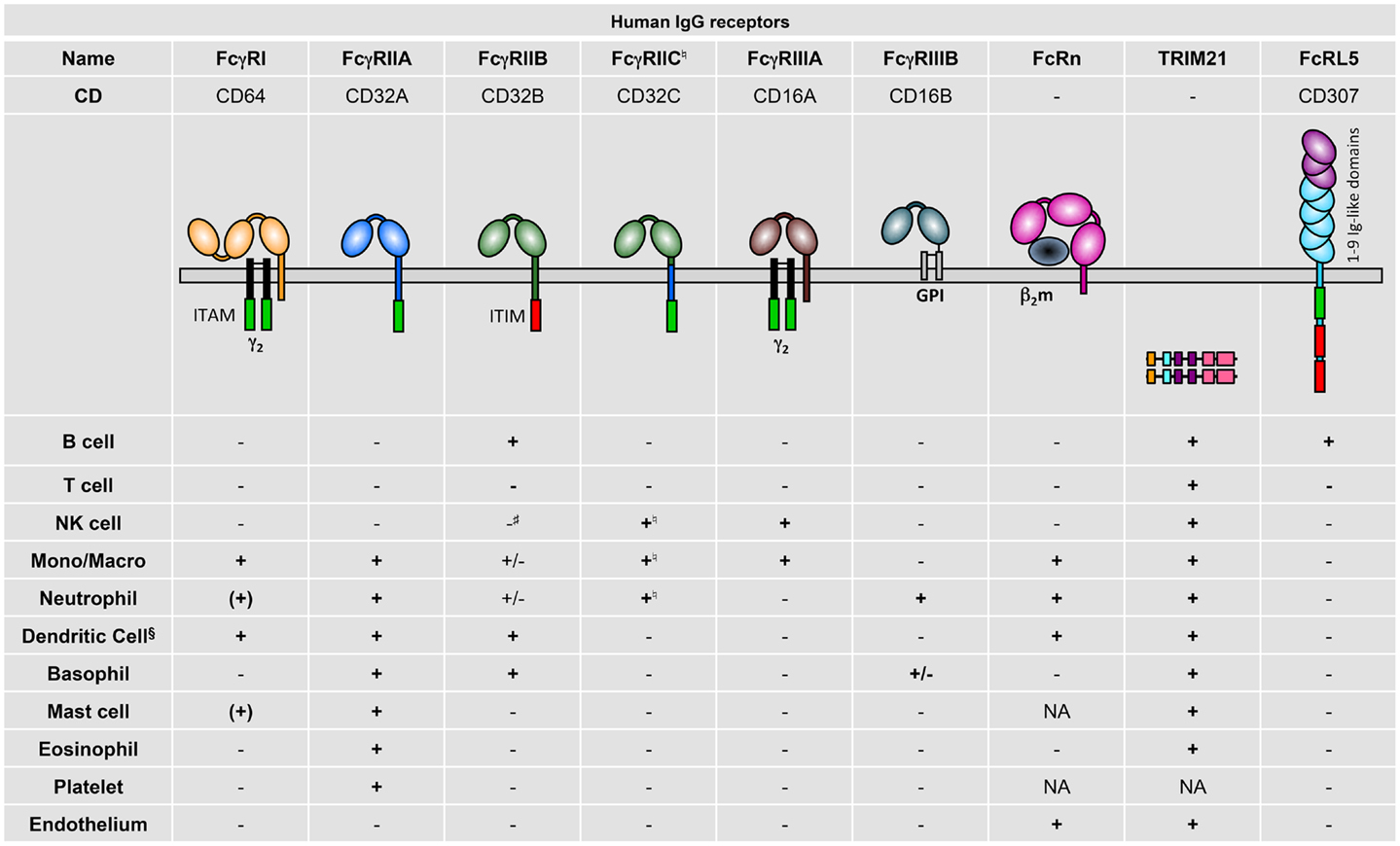
  • One of the holy grails in cure research is the discovery of markers that would allow the specific targeting of cells harboring latent HIV. The goal is to be able flag those cells for elimination while sparing their uninfected counterparts. So far, a number of cellular receptors have been identified as being more commonly—but not exclusively— expressed on latently infected cells, such as PD-1, LAG-3 and TIGIT. In the new issue of the open access journal JCI Insight, Rui André Saraiva Raposo and colleagues from the laboratory of Doug Nixon at The George Washington University add a new candidate to the mix: interferon-induced transmembrane protein 1 (IFITM1).

    IFITM1 belongs to a family of proteins that respond to interferons and are involved in a variety of cellular processes, particularly immunological signaling. IFITM1 has also been implicated as an innate HIV restriction factor. Although not a household name, IFITM1 has attained sufficient celebrity to have its own Wikipedia entry.

    Raposo and colleagues hypothesized that expression of IFITM1 might be altered by the presence of HIV in latently infected cells. Studying an in vitro model of HIV latency, they found that IFITM1 expression was increased fourfold in resting latent cells when compared with reactivated cells. Furthermore, significant killing of resting latently infected cells could be achieved with a combination of an anti-IFITM1 antibody and natural killer cells (via the mechanism of antibody dependent cellular cytotoxicity or ADCC).

    A preliminary analysis of CD4 T cells sampled from HIV+ individuals on ART revealed a significant increase in IFITM1 expression compared to HIV- donors (2% vs. 0.9%), particularly among central memory CD4 T cells, the subset in which most latent HIV resides. This finding makes an inferential case that IFITM1 expression may be elevated in latently infected CD4 T cells from people on ART, but latently infected cells were not specifically identified and analyzed (their rarity makes such analyses challenging). As observed in the in vitro model, IFITM1-expressing CD4 T cells sampled from HIV+ individuals were sensitive to ADCC in the presence of an anti-IFITM1 antibody and natural killer cells.

    The researchers note that the approach could be imperfect and potentially lead to the death of uninfected CD4 T cells, but argue it deserves to be explored:

    “We acknowledge that residual IFITM1 expression in non-latently infected cells may lead to the death of bystander cells in the event this strategy translates into an eradication approach in humans. Nonetheless, we believe that an eradication strategy involving IFITM1 in conjugation with immune checkpoint molecules shown to contribute to HIV persistence during ART would be of significant value to effectively target and eliminate latently infected cells in vivo.”

  • Since the earliest days of HIV research, the idea of trying to enhance immune responses to the virus using therapeutic vaccination has been extensively explored, but with little success. The ability of the virus to compromise CD4 T cells, which would normally coordinate antiviral immunity, may be one contributor to the generally disappointing results. Virus-induced damage to the lymph node environment where immune responses are initiated has also been suggested to play a role. Researchers have not given up, however, and a recent study in SIV-infected macaques has produced encouraging results.

    The study was conducted by investigators involved in one of the newly created Martin Delaney Collaboratories, which have been funded by the National Institute of Allergy and Infectious Diseases (NIAID) to pursue a cure for HIV infection. Named “I4C: Combined Immunologic Approaches to Cure HIV-1,” the collaboratory is co-led by Dr. Dan Barouch at the Beth Israel Deaconess Medical Center, Dr. John Mellors at the University of Pittsburgh, and Col. Nelson Michael at the U.S. Military HIV Research Program. Two industry partners are also involved: Janssen, who have developed the adenovirus serotype 26 (Ad26) and modified Vaccinia Ankara strain (MVA) vaccine vectors used in this experiment, and Gilead Sciences, who contributed a TLR7 agonist that has previously shown some potential as a single agent.

    The investigators infected 36 rhesus macaques with the highly pathogenic SIVmac251 and initiated ART a week later, during the acute phase of infection. After 24 weeks, the animals were divided into four groups of nine. One group served as controls, while the others received either Ad26 + MVA vaccines (encoding SIV antigens), the TLR7 agonist, or a combination of the vaccines and the TLR7 agonist. After 72 weeks, ART was stopped and viral load rebound assessed. The crux of the results is that animals in the combination group exhibited significantly enhanced control of SIV viral load when ART was interrupted, with three animals controlling viral replication to undetectable (<200 copies/ml) levels after an initial spike. Set point viral loads in this group averaged around 1,500 copies/ml, which was 1.74 logs lower than controls. Viral load rebound was also delayed by a median of 25 days compared to 10 days in controls.

    Additional analyses showed that the breadth of SIV-specific T cell immune responses induced by the vaccines correlated with viral load control. Levels of SIV DNA measured in peripheral blood and lymph nodes were undetectable (cutoff <3 copies per million CD4 T cells) in the majority of vaccine recipients prior to ART interruption, and reductions in SIV DNA correlated with the delayed time to viral load rebound.

    As is always the case with animal model studies, it will be important to assess if the results translate to humans. Janssen is now sponsoring a clinical trial of the Ad26 + MVA combination in acutely infected individuals in Thailand, and a separate evaluation of Gilead's TLR7 agonist is ongoing in the United States, potentially laying the groundwork for combination studies.

    Additional information on the I4C: Combined Immunologic Approaches to Cure HIV-1 collaboratory can be gleaned from presentations at the recent NIAID Strategies for an HIV Cure meeting – see the webcast of day one, starting at the 5:49:45 mark.